
As the world moves towards sustainable architecture, Autoclaved Aerated Concrete (AAC) blocks have emerged as a revolutionary building material. Their lightweight, energy efficiency, and eco-friendly properties make them an ideal choice for green construction. But what makes AAC blocks truly sustainable? Let’s explore How AAC Blocks Contribute to Sustainable Architecture.
What are AAC Blocks?
AAC blocks are lightweight, precast building materials made from cement, lime, sand, water, and an aerating agent. These blocks are cured under high-pressure steam in an autoclave, resulting in a highly porous structure that enhances insulation and reduces weight.
How AAC Blocks Promote Green Construction
1. Energy Efficiency & Thermal Insulation
AAC blocks have exceptional thermal insulation properties, reducing the need for artificial heating and cooling. Buildings made with AAC require 30% less energy for temperature regulation, leading to lower electricity bills and reduced carbon footprints.
2. Eco-Friendly Manufacturing Process
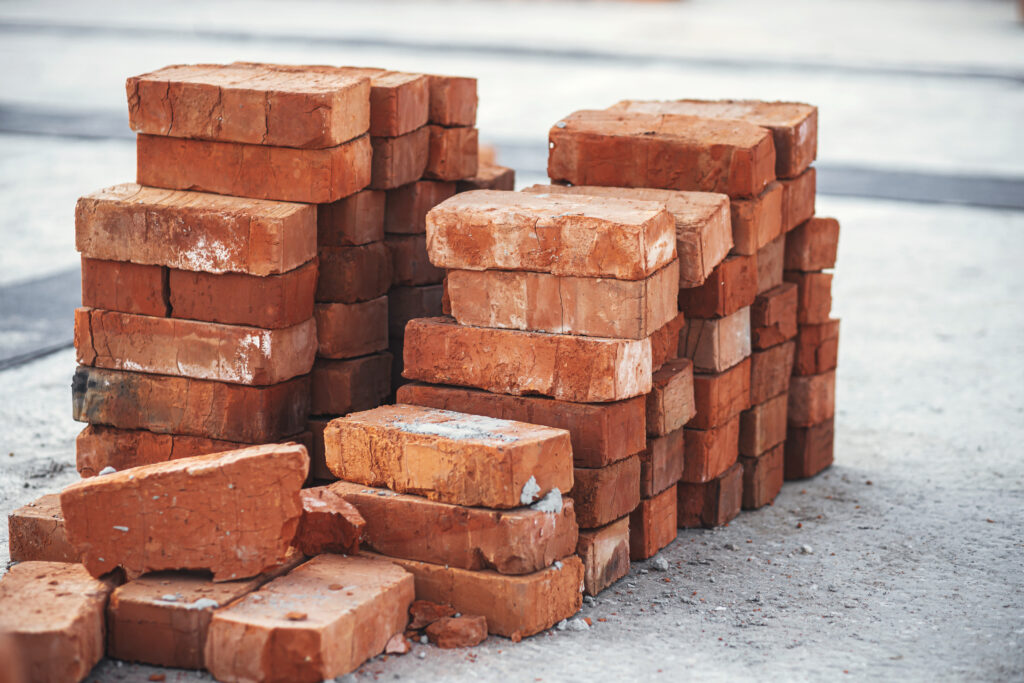
Unlike traditional clay bricks, AAC blocks are manufactured using non-toxic and natural materials. The production process involves less water consumption and minimal emissions, making it a sustainable alternative in the construction industry.
3. Reduced Construction Waste
AAC blocks come in predefined sizes and shapes, minimizing on-site wastage. Their lightweight nature also reduces breakage during transportation, further cutting down material loss and construction waste.
4. Lightweight & Structural Efficiency
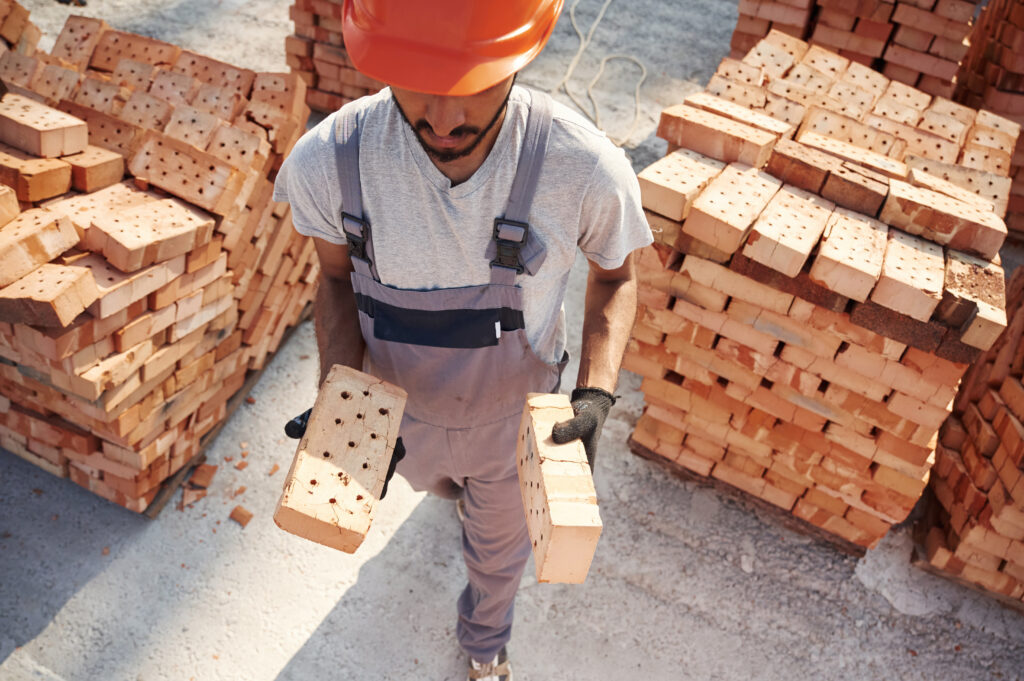
Being three to four times lighter than conventional bricks, AAC blocks reduce the overall dead load of a building, leading to:
- Lower foundation costs
- Faster construction time
- Improved seismic resistance
5. Water and Fire Resistance
AAC blocks have a closed-cell structure that prevents water absorption, making them highly resistant to moisture and mold growth. Additionally, they can withstand temperatures up to 1,200°C, providing superior fire resistance compared to traditional materials.
6. Soundproofing and Indoor Air Quality
The porous structure of AAC blocks absorbs sound, making them ideal for residential and commercial spaces that require noise reduction. Since they are made from non-toxic materials, they also contribute to better indoor air quality, promoting healthier living environments.
Comparison: AAC Blocks vs. Traditional Building Materials
| Feature | AAC Blocks | Clay Bricks | RCC |
|---|---|---|---|
| Energy Efficiency | High | Low | Moderate |
| Weight | Lightweight | Heavy | Very Heavy |
| Construction Speed | Fast | Slow | Moderate |
| Eco-Friendliness | High | Low | Moderate |
| Fire Resistance | Very High | Moderate | High |
| Thermal Insulation | Excellent | Poor | Low |
Why AAC Blocks are the Future of Sustainable Construction
With climate change concerns and growing energy demands, AAC blocks provide an environmentally friendly solution for modern construction. Their energy-saving properties, lightweight design, and durability make them the go-to choice for architects and builders focused on sustainability.
Conclusion
AAC blocks are not just a building material—they are a step towards a greener, more sustainable future. Whether for residential homes, commercial projects, or infrastructure development, AAC blocks play a vital role in reducing carbon footprints and promoting eco-friendly construction practices.