
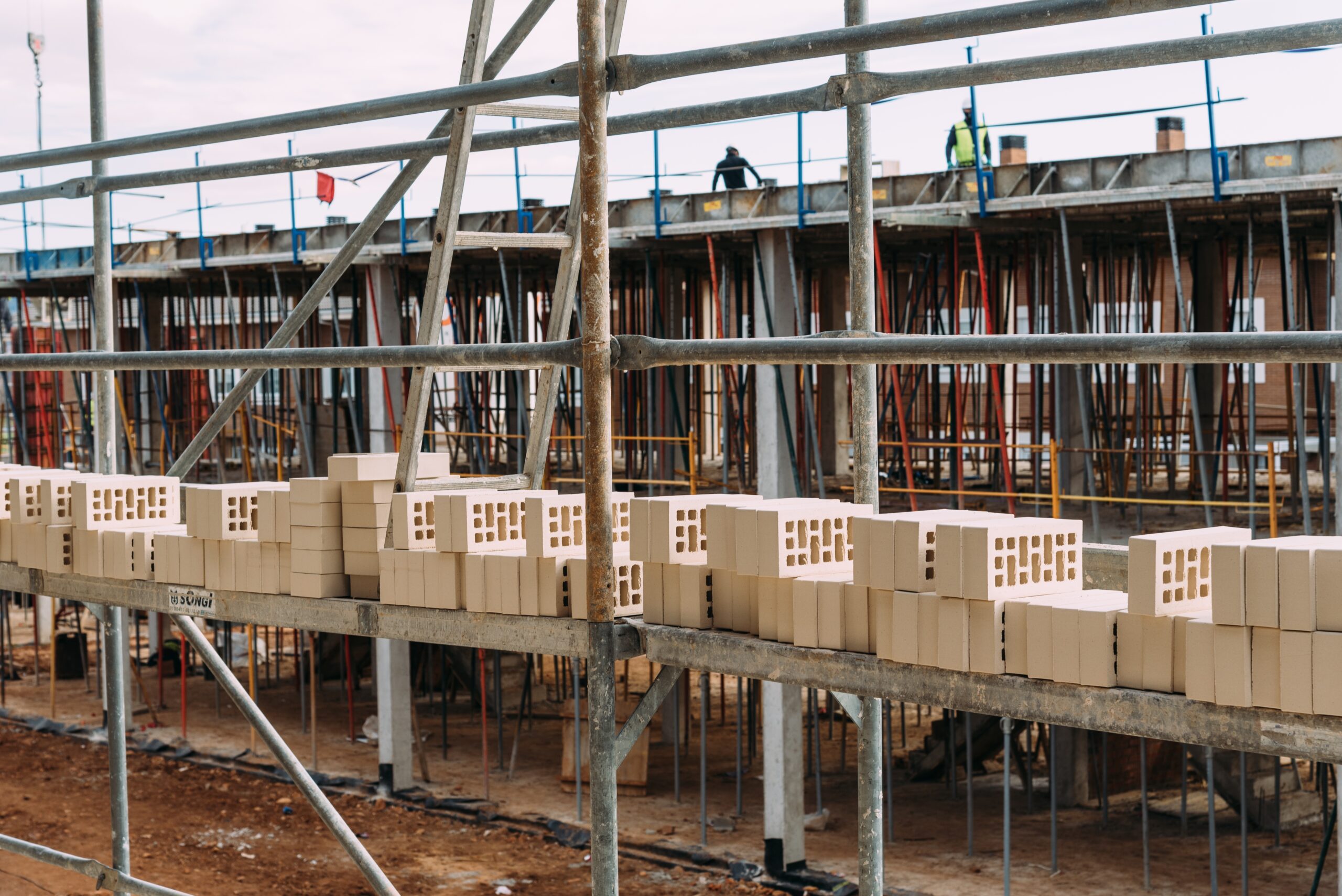
Reinforced Cement Concrete (RCC) has long been the backbone of modern construction, offering unmatched strength and durability. However, with rapid advancements in material science and engineering, RCC is evolving to meet the demands of sustainability, resilience, and cost-effectiveness. Let’s explore the latest technologies enhancing RCC’s performance and shaping its future. Let’s see New Technologies Enhancing Strength and Performance.
Emerging Technologies in RCC
1. High-Performance Concrete (HPC)
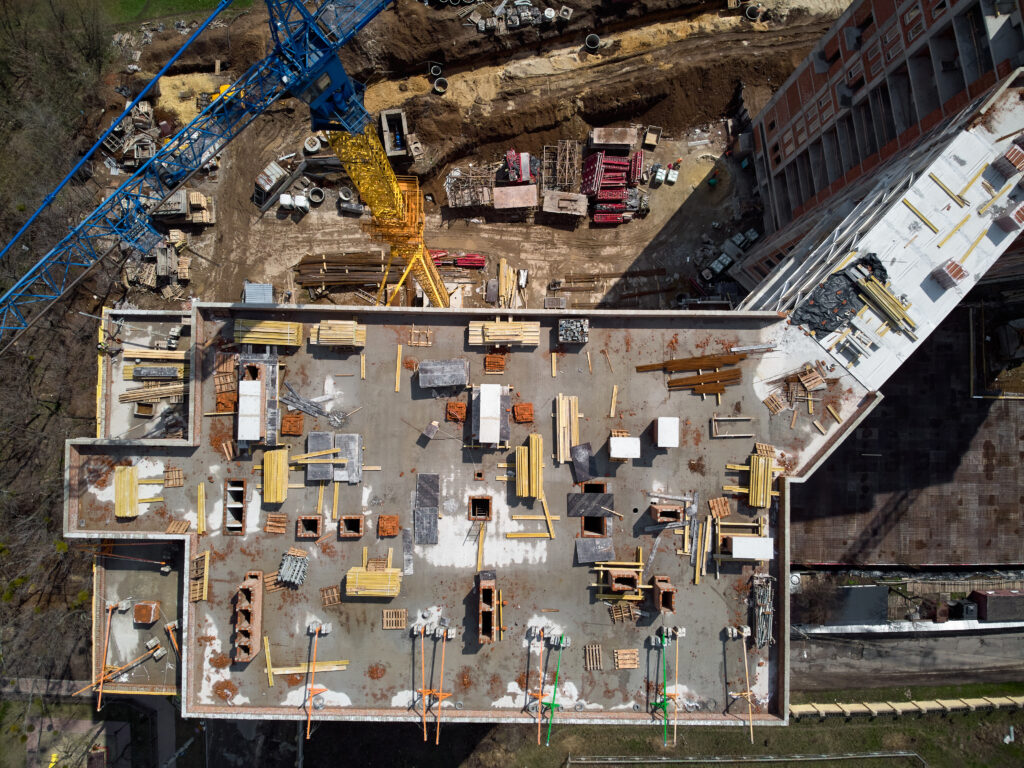
High-Performance Concrete (HPC) is an advanced version of traditional RCC that offers superior strength, durability, and workability. It incorporates special admixtures such as silica fume and fly ash, reducing porosity and increasing load-bearing capacity.
2. Self-Healing Concrete
One of the most revolutionary advancements is self-healing concrete, which uses bacteria or microcapsules to repair cracks automatically. This technology extends the lifespan of RCC structures by preventing water infiltration and corrosion of reinforcement.
3. Fiber-Reinforced Concrete (FRC)
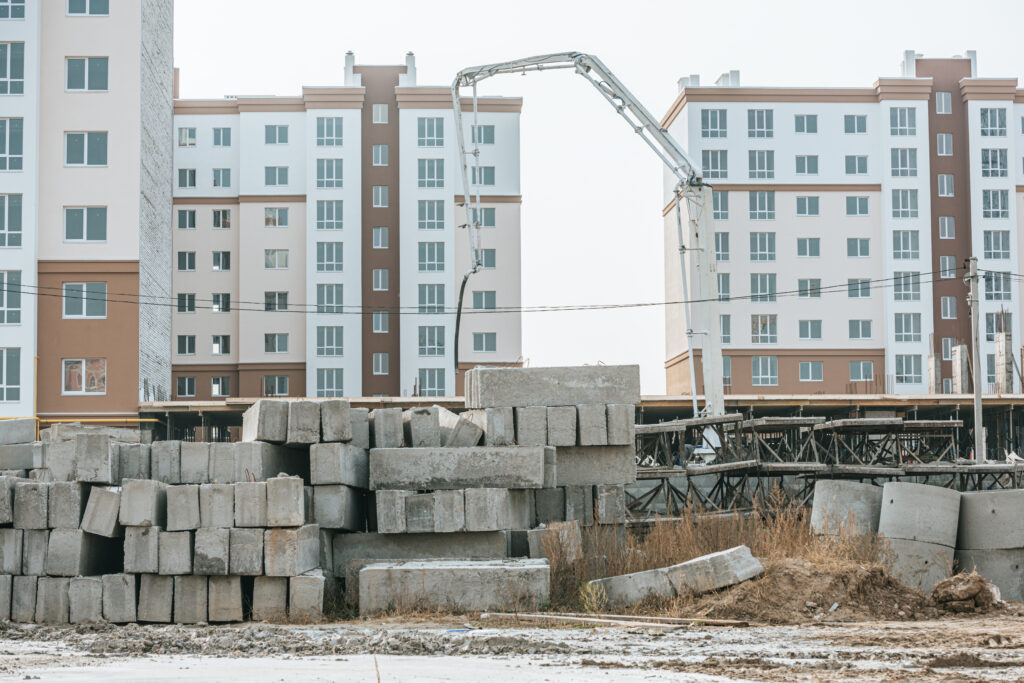
Adding steel, glass, or synthetic fibers to RCC enhances tensile strength, impact resistance, and crack control. Fiber-reinforced concrete is widely used in bridges, tunnels, and high-rise buildings where structural integrity is critical.
4. 3D-Printed Concrete
3D printing technology is revolutionizing RCC construction by enabling precise and rapid fabrication of complex structures. This reduces waste, labor costs, and construction time, making it a promising innovation for the future.
5. Green and Sustainable RCC
With a growing focus on eco-friendly construction, researchers are developing low-carbon cement alternatives. Incorporating materials like geopolymer concrete and recycled aggregates significantly reduces the environmental impact of RCC production.
6. Smart RCC with Embedded Sensors
Smart RCC integrates IoT sensors that monitor structural health in real-time. These sensors detect cracks, temperature fluctuations, and stress levels, allowing engineers to perform predictive maintenance and enhance safety.
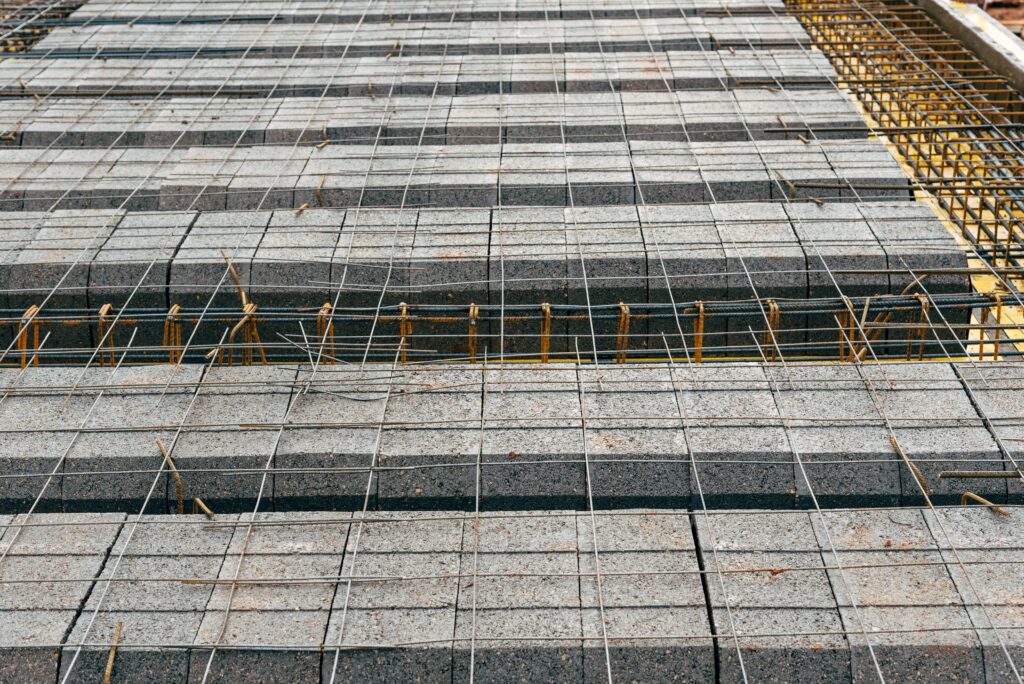
RCC vs. AAC: Which One Leads the Future?
| Feature | Future RCC | AAC Blocks |
|---|---|---|
| Strength | Very High | Moderate |
| Durability | High (with self-healing tech) | Moderate |
| Construction Speed | Moderate | Fast |
| Eco-Friendliness | Improving with green cement | High |
| Fire Resistance | High | Very High |
| Smart Technology Integration | Yes (sensors, 3D printing) | No |
Why RCC Will Continue to Dominate Structural Engineering
While AAC blocks provide advantages in lightweight and insulation, RCC remains irreplaceable for load-bearing structures, high-rise buildings, and critical infrastructure. With innovations in self-healing, fiber reinforcement, and smart monitoring, RCC is becoming even more resilient, cost-effective, and sustainable.
Conclusion
The future of RCC is smarter, stronger, and more sustainable than ever before. With cutting-edge technologies enhancing its performance, RCC will continue to play a vital role in shaping modern infrastructure. Whether for skyscrapers, bridges, or highways, RCC remains the foundation of progress.